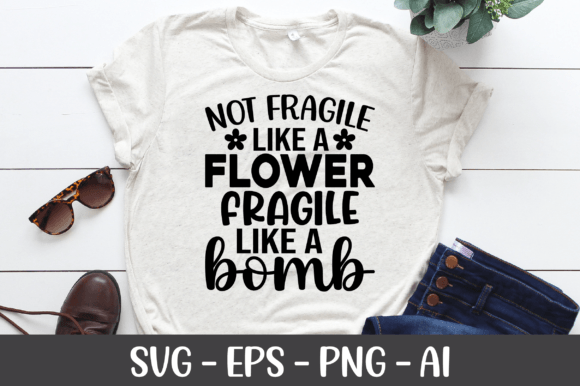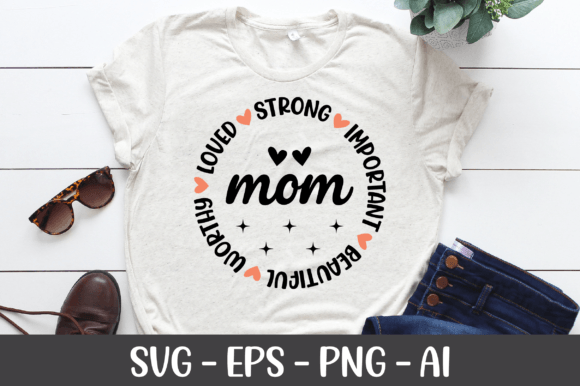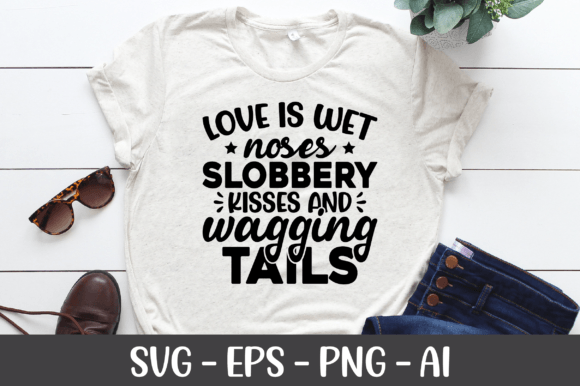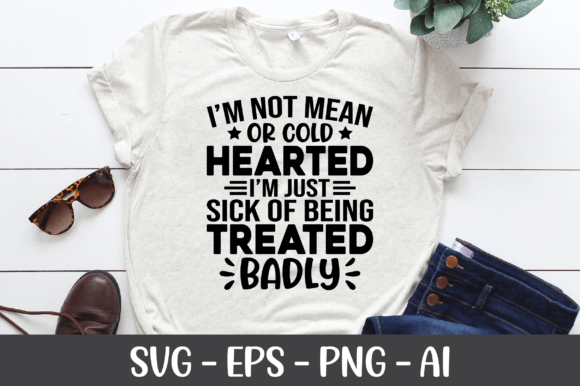
Skilled Labor Isn’t Cheap, Cheap Labor
A Designer’s First Glance: Bold, Unapologetic, and Built for Meaning
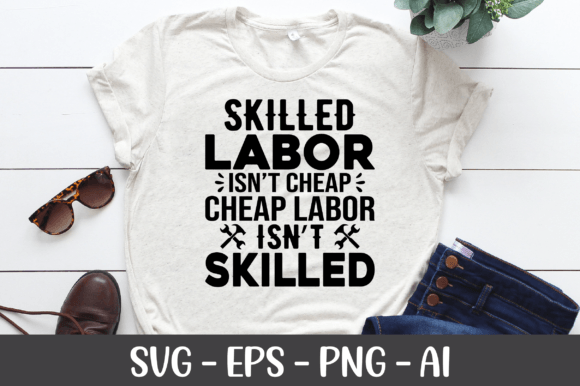
When Skilled Labor Isn’t Cheap, Cheap Labor landed in my inbox as a digital embroidery file, I paused—not because it’s flashy or ornate, but because it’s *heavy* with intention. This isn’t a decorative flourish; it’s a statement stitched before the needle even moves. The layout is clean and centered, with strong vertical rhythm in the lettering and deliberate spacing that breathes without feeling sparse. There’s no script, no embellishment—just confident, grounded sans-serif weight. It reads like something you’d embroider on a well-worn apron in a ceramic studio or screen-printed beside a logo on a small-batch coffee bag. It belongs to the Crafts category not by accident, but by ethos: it’s made for makers who value craft over convenience.
Real-World Test: Embroidering It on a Linen-Cotton Tote Bag
Last week, I used Skilled Labor Isn’t Cheap, Cheap Labor for a custom order—a medium-weight natural linen-cotton tote for a local woodworking shop’s holiday pop-up. I chose a 4” x 4” hoop and digitized the design at 3.8” wide (scaling down just enough to keep legibility on textured fabric). The result? Crisp, authoritative, and quietly proud. Customers stopped mid-aisle—not to read the slogan, but to *feel* its resonance. That’s the power of a well-placed machine embroidery design: it doesn’t shout; it affirms. On that tote, it became part of the brand story—not decoration, but declaration.
Where It Shines—and Where It Needs Thought
Skilled Labor Isn’t Cheap, Cheap Labor excels on stable, medium-to-heavy fabrics: canvas totes, cotton sweatshirts, denim jackets, tea towels, and structured pillow covers. Its generous letter spacing and moderate stroke width translate beautifully into satin stitch and fill stitch without overcrowding. As an embroidered patch or custom apparel motif, it holds up across sizes—especially when hooped cleanly and stabilized with medium tear-away + light cut-away backing.
But here’s where attention matters: avoid using it on baby onesies or stretchy jersey tees without thorough testing. The tight kerning between “Isn’t” and “Cheap” can blur if stitch density isn’t balanced—or if the fabric shifts under tension. On dark fabric, opt for high-contrast thread (ivory or charcoal grey works better than black-on-black), and always preview your digital embroidery file in grayscale mockups first. And skip curved surfaces like caps unless you’re using a cap frame and have confirmed the design fits within the front panel’s real estate.
What It Adds to Your Finished Product
- Visual appeal: It elevates handmade product perception—no busy graphics, just clarity and conviction.
- Stitching clarity: Clean lines mean fewer thread breaks and smoother runs on most home and commercial machines.
- Product value: Customers pay more for items that feel intentional. This slogan signals care—not just in making, but in messaging.
- Brand consistency: Whether you're an Etsy seller or a boutique owner, it reinforces values without needing a full visual identity overhaul.
- Giftability: As holiday embroidery or a personalized gift for a teacher, nurse, or tradesperson, it lands with warmth and respect—not irony.
Practical Notes Every Embroidery Designer Should Keep Handy
Before stitching Skilled Labor Isn’t Cheap, Cheap Labor into your next project, do these five things:
- Test it on scrap fabric *exactly* like your final substrate—linen behaves differently than duck canvas, and terry cloth demands extra stabilizer.
- Check thread color contrast: what reads clearly on screen may vanish on oatmeal-colored toweling.
- Review stitch density in your embroidery software—especially around the apostrophe and internal counters of “Isn’t.” Overly dense fills can pucker thin layers.
- Confirm hoop size compatibility. While the PNG and SVG files scale freely, your actual embroidery file must fit your machine’s max hoop dimensions.
- Verify licensing terms. Since this is a Graphics download marketed for crafting projects, confirm whether resale of finished embroidered items is permitted—and whether you may include it in digital product bundles for other designers.
Why This Design Fits Real Creative Businesses—Not Just Hobby Bins
I’ve seen too many craft businesses dilute their voice with generic quotes or overused icons. Skilled Labor Isn’t Cheap, Cheap Labor cuts through that noise. It works for a screenprinter bundling it with a “Maker’s Manifesto” collection, for an apparel decorator building a line of trade-themed workwear, or for an Etsy seller offering personalized embroidery on vintage-style tea towels. It’s not cute—it’s credible. And credibility sells, especially when paired with thoughtful execution: proper stabilizer choice, balanced thread tension, and smart placement (center chest, left breast, lower back hem).
As a designer who reviews hundreds of embroidery files a year, I judge them not just on aesthetics—but on how they hold up after washing, how they photograph on Instagram, and how they make the *wearer* feel. This one earns trust. Not because it’s perfect—but because it’s honest, legible, and built to last beyond the first stitch.